
Expert Quick Take: My Honest Opinion After Researching 200+ Stones
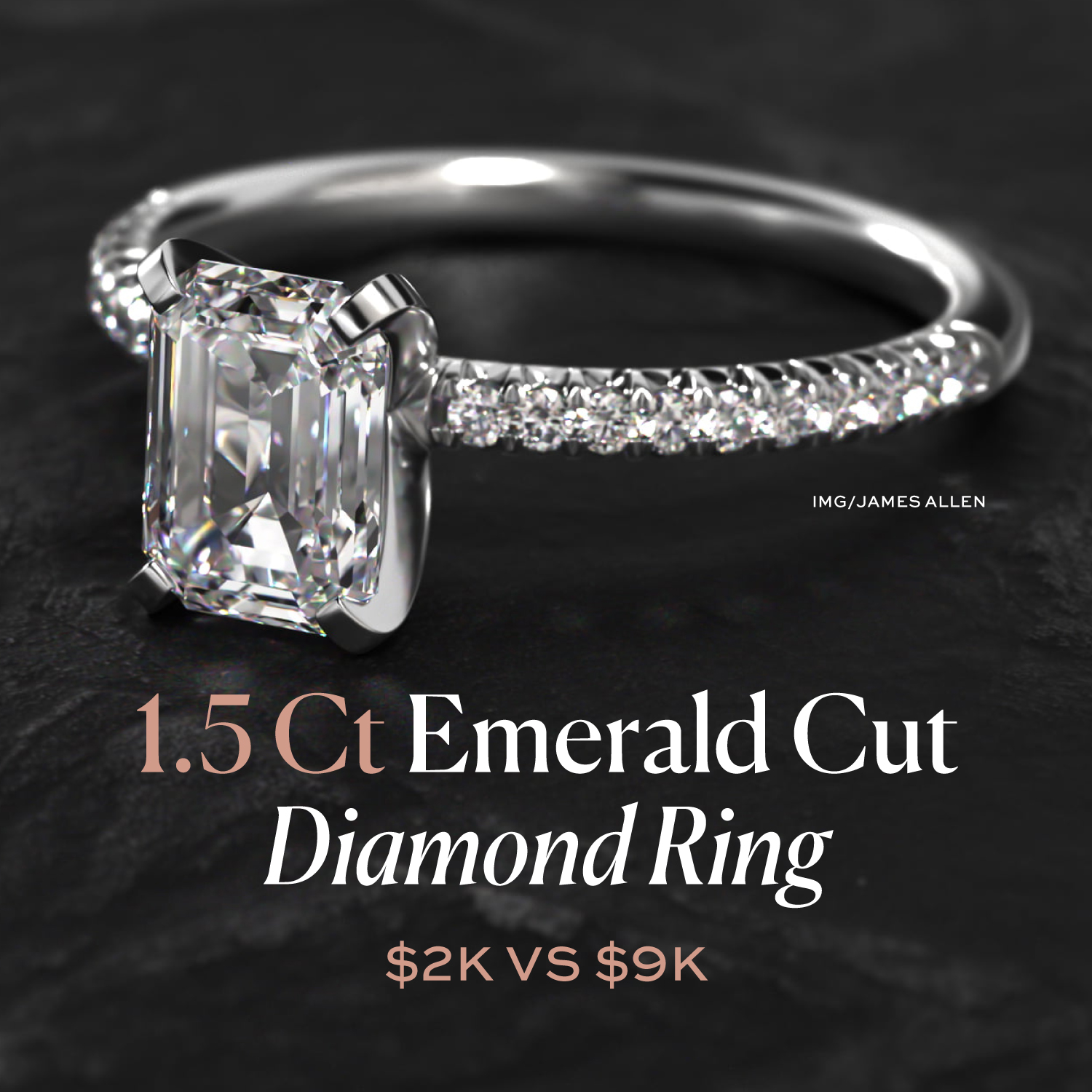
In February 2026, buying a 1.5 carat emerald cut diamond ring requires extreme caution because the “step cut” faceting hides nothing. Unlike round diamonds that use sparkle to mask inclusions, an emerald cut is like a glass house—you can see everything inside.
I analyzed the current market and found a massive arbitrage: Natural G-VS1 stones are trading for $7,760, while Lab-Grown D-IF (Internally Flawless) stones are just $822.
When you add the $1,157 18k White Gold Petite Pavé setting, the total price difference is nearly $7,000 for a ring where the cheaper option is actually technically superior (Flawless vs. VS1).
Decision Snapshot
| If Your Goal Is… | Choose This Strategy | Mehedi’s Verdict |
|---|---|---|
| Smart Value | Lab D-IF Build ($1,979) | The Steal. Unbeatable value. A flawless stone is mandatory for emerald cuts, and here it costs less than an iPhone. |
| Natural Entry | Natural G-VS1 Build ($8,917) | The Safe Bet. This is the lowest safe grade. Do not go below VS1 in natural emerald cuts or you risk visible inclusions. |
| The Trap | Natural D-VS1 Build ($18,527) | The Wallet Drain. You are overpaying by $9,000 for color you likely won’t notice. Stick to G-Color to maximize your budget. |
| The 2026 Emerald Verdict: Emerald Cuts are unforgiving. If you buy Natural, you must pay the “Clarity Tax” ($8k+) for VS1. If you buy Lab-Grown, you get a technically perfect stone for under $2,000. | ||
My Verdict: If you want the “Hall of Mirrors” look, buy the Lab D-IF. Emerald cuts show every speck of dust—spend the $822 on a flawless stone and use the savings for a natural vs lab diamond $15,000 budget upgrade later.
Deal Alert: Fast-Shipping Gifts — Up to 50% Off* fine jewelry at Blue Nile !
One In A Lifetime Sale: “Clear The Vault” – Get up to 70% OFF on select jewelry at Blue Nile !
Exclusive Offer: Flash Sale on James Allen Up to 40% Off * Sitewide engagement ring settings & Fine Jewelry at James Allen .
Emerald cuts are elegant, vintage, and completely unforgiving. Unlike round diamonds, they don’t have “sparkle chaos” to hide flaws; instead, they have large, open windows. This is why the emerald cut diamond is often referred to as the “truth-teller” of the jewelry world.
Mehedi’s Reality Check: “I have the 2026 price lists in front of me. A ‘safe’ natural emerald cut (VS1 clarity) starts at $8,900. However, a perfect lab-grown emerald cut starts at just $1,980.
I’m going to build the exact same ring twice—using the Petite Pavé Engagement Ring in 18k White Gold ($1,157)—to show you exactly where that $7,000 premium is going.”
Before you commit to a stone, you need to understand the “safety zone” for clarity and the ideal length-to-width ratios. If you are also considering other shapes, compare this to a 1.5 carat diamond price guide or a 1 carat pear shaped diamond price review to see how the emerald cut’s value stacks up.
Diamond IQ Test: Natural or Lab-Grown?
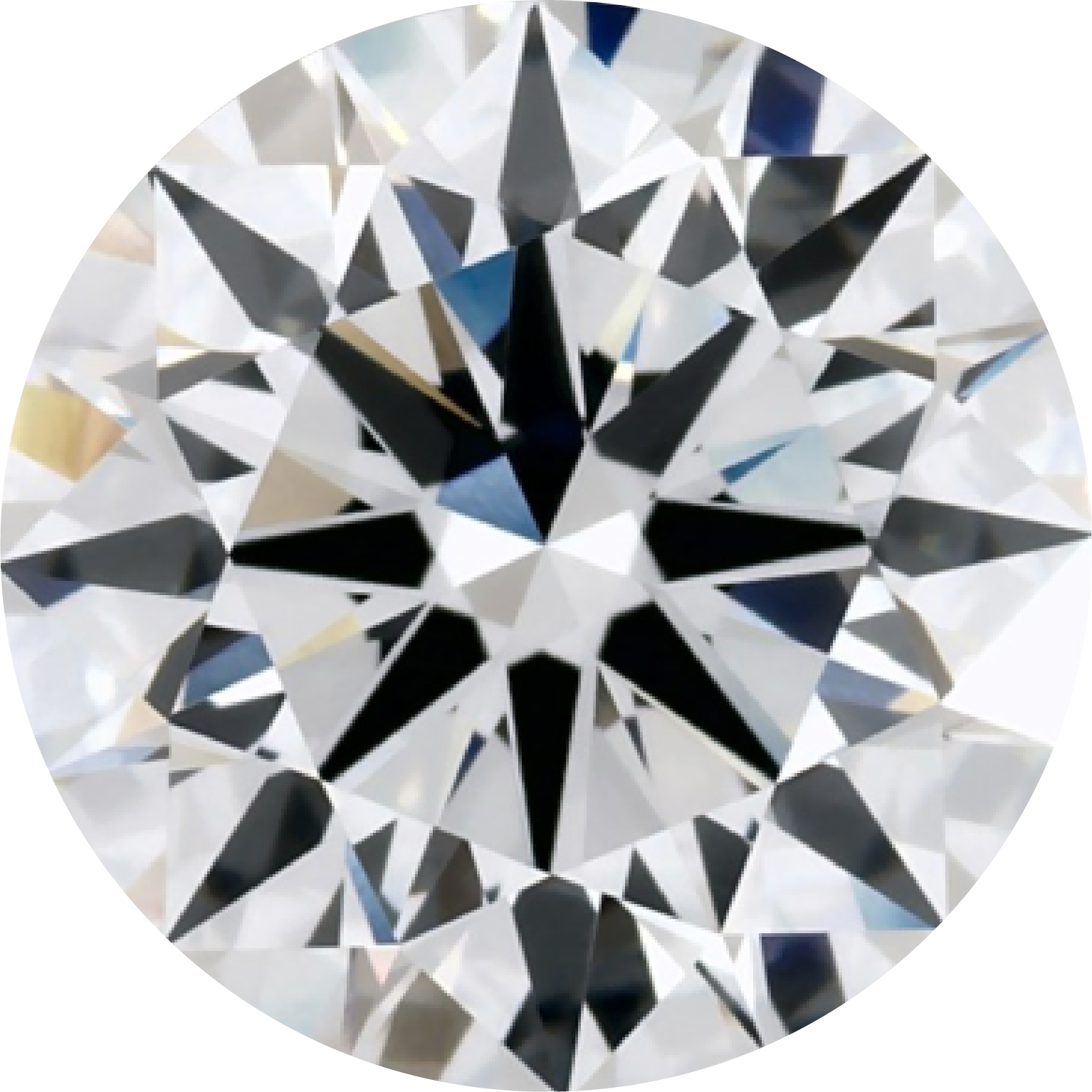
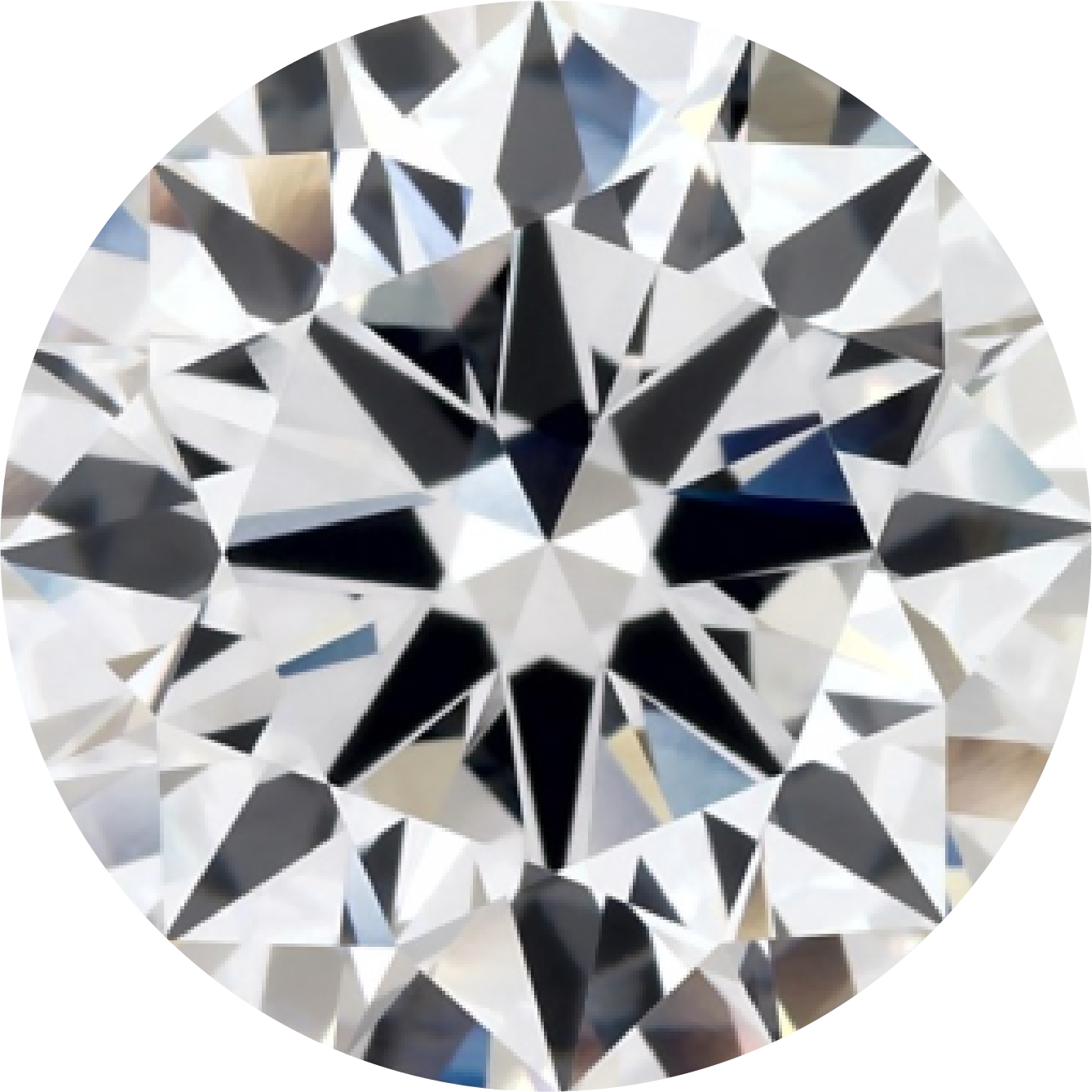
Two identical diamonds: GIA Certified, 1.51ct, D Color, VVS1, Ideal Cut. One is natural ($16,530), the other is lab-grown ($2,390). Choose the diamond you like better and see if you can match it to its origin.
The Natural Build: The $9,000 Standard
In the natural market, building a 1.5 carat emerald cut diamond ring is an exercise in technical compromise. Because emerald cuts are “step-cuts,” they lack the brilliant faceting that hides inclusions or masks color.
To secure a natural stone that looks like a “clean pool of water” rather than a piece of cracked glass, you must stay within a specific technical window that starts around $9,000.
Building the Natural 1.50ct Ring (GIA Data)
The challenge with natural 1.5ct emerald cuts is the pricing volatility between different retailers. For this build, we are using the Petite Pavé Diamond Engagement Ring in 18K White Gold ($1,157) as our baseline setting.
The Natural 1.50ct Price Escalation (Stone + $1,157 Setting)
| Tier | GIA Diamond Specification | Stone Price | Total Ring Cost |
|---|---|---|---|
| “The Smart Entry” | 1.50ct G-VS1 Ideal | $7,760 | $8,917 |
| “The Retail Median” | 1.51ct G-VS1 Ideal | $8,360 | $9,517 |
| “The Clarity Play” | 1.50ct G-VVS2 Ideal | $8,630 | $9,787 |
| “The Blue Nile Premium” | 1.50ct G-VS1 Ideal | $9,200 | $10,357 |
| “The Color Tax” | 1.49ct E-VVS2 Ideal | $14,180 | $15,337 |
| “The Ceiling” | 1.54ct D-VS1 Ideal | $17,370 | $18,527 |
| The 2026 Price Verdict: Do not fall for “The Ceiling” ($18k). You are paying double for D-Color, which is undetectable once set in gold. “The Smart Entry” ($8.9k) is the winner: VS1 clarity ensures the step-cut is clean, and you save $10,000. | |||
Read Our 5-Star Blue Nile Review
Check our comprehensive Blue Nile review to learn why we rated Blue Nile 5 stars for their exceptional quality and value.
Mehedi’s Warning: The “Colorless” Trap
The data reveals a staggering $9,610 price gap between the “Smart Entry” G-color stone and the D-color ceiling. In an emerald cut, D-color is undeniably icy, but when set in a white gold pavé band, the visual difference between a d color diamond and a g color diamond is almost impossible for the naked eye to detect.
Mehedi’s Warning: “Do not pay $18,000+ for the D-Color natural build. You are essentially paying a $9,000 premium for a letter on a certificate. I recommend sticking to the G-VS1 at $8,917.
It looks perfectly white in a white gold setting, and you are saving the price of a compact car while still owning a high-carat, GIA-certified heirloom. If you must have a higher grade, look at the natural g vs1 diamond price trends—this is where the smart money is moving.”
Why VS1 is Your “Absolute Floor”
Unlike rounds, where you can often drop to si1 clarity diamond to save money, natural emerald cuts require vs1 clarity diamond as a safety floor. In a 1.5-carat stone, the flat “table” facet is large enough to expose even microscopic inclusions.
If you drop to VS2 or SI1, you risk seeing a dark carbon spot reflected multiple times in the stone’s internal mirrors—a phenomenon known as “hallway inclusions.”
James Allen: Our 5-Star Choice for Price and Selection
Check our comprehensive James Allen Review to learn more about their pricing and commitment.
The Lab Build: The $1,979 Revolution
If you are looking for a 1.5 carat emerald cut diamond ring in 2026, the lab-grown market has reached a point of “price disruption” that makes natural alternatives difficult to justify for most buyers.
For this specific shape, lab technology is a perfect match because it effortlessly produces the high-clarity crystals that emerald cuts require.
Building the Lab 1.50ct Ring (Market Data)
Our February 2026 data shows that lab-grown emerald cut prices have “hit the floor.” While a natural stone of this quality would require a high-four-figure investment, you can now build a technically “flawless” ring for less than the price of a high-end laptop.
We have paired these IGI-certified stones with the $1,157 Petite Pavé setting in 18K White Gold to calculate the total “Out the Door” cost.
The Under-$2k Lab Emerald Price Matrix
| Tier | Lab Diamond Specification (IGI) | Stone Price | Total Ring Cost |
|---|---|---|---|
| “The Price Glitch” | 1.50ct D-IF (Colorless/Flawless) | $822 | $1,979 |
| “The Standard” | 1.50ct E-IF (Internally Flawless) | $1,070 | $2,227 |
| “The Ideal Cut” | 1.50ct F-IF (Ideal Cut) | $1,735 | $2,892 |
| “The D-Ideal” | 1.50ct D-IF (Ideal Cut) | $2,425 | $3,582 |
| The 2026 Price Verdict: This is a no-brainer. “The Price Glitch” ($822) gives you a D-Color, Flawless stone for under $1k. Even if the cut isn’t “Ideal,” the clarity is perfect, which is the most important factor for an Emerald Cut. Paying $2,425 for the “Ideal” version is diminishing returns. | |||
Mehedi’s Verdict: The “Holy Grail” Spec
“This is arguably the financial ‘deal of the year’ in the diamond industry. Because an emerald cut is a ‘step-cut’ with broad, flat facets, it acts like a clear pool of water. In the natural market, getting a stone with Internally Flawless (IF) clarity at 1.5 carats would cost you a fortune—upwards of $18,000 for a D-color stone.
In the lab market, it is the standard. I recommend the D-IF build at $1,979. You are getting a technically perfect, colorless, and flawless stone for under $2,000 total. In an emerald cut, this is the Holy Grail specification because there is absolutely no risk of inclusions distracting from the ‘Hall of Mirrors’ effect.”
Why “IF” is Mandatory for Lab Emeralds
When buying a lab grown diamond, specifically an emerald cut, there is no reason to settle for anything less than vvs1 diamond meaning cost or IF clarity.
The price difference between a VS1 and an IF lab stone at this carat weight is often less than $200. For a shape that hides nothing, that $200 is the best insurance policy you can buy.
If you are still deciding where to source your stone, check out my reviews on the best places to buy lab grown diamonds and my deep dive into whether a specific diamond retailer is legit.
Deal Alert: Ritani’s current promotions offer exceptional value.
Discount applied automatically
Shop Lab Diamonds | Shop Settings| Pro Tip: Ritani offers price matching and free shipping.
Lab vs. Natural: The 1.5 Carat Emerald Cut Showdown
When deciding between a lab-grown or a natural stone for a 1.5 carat emerald cut diamond ring, you aren’t just choosing a price tag—you are choosing a technical philosophy.
In an emerald cut, the differences in clarity and color are magnified because there is no “sparkle” to hide behind. Every facet is a window into the heart of the stone.
Breaking Down the $7,000 Difference
To understand the massive price arbitrage in 2026, we have to look past the carat weight and into the “DNA” of the deal. Here is how the two paths actually compare when you put them side-by-side.
1. The Clarity Gap: VS1 vs. Internally Flawless (IF)
- Natural ($7,760): At this price, you are getting a G-VS1. This is a high-quality stone, but under a jeweler’s loupe, you will see tiny inclusions. If you are unlucky, a VS1 emerald cut can have a “reflector” inclusion that bounces off the internal step-facets, making one small speck look like five.
- Lab ($822): You are getting Internally Flawless (IF). There is literally nothing to see. The stone is a perfect, clear crystal. In the natural world, an “IF” grade is a one-in-a-million occurrence; in the lab, it is a controlled, perfect result.
2. The Color Reality: G-Color vs. D-Color
- Natural: A G-color stone is “Near Colorless.” In a 1.5-carat emerald cut, you might detect a very slight “warmth” if you look through the side of the stone against a white background.
- Lab: A D-color stone is “Colorless.” It is the highest possible grade on the diamond color scale. It will look icy white, even under the most demanding lighting conditions, providing that surgical, clean look emerald cuts are famous for.
Visual Comparison & Value Analysis
| Feature | Natural 1.50ct Build (James Allen) | Lab 1.50ct Build (Ritani) | The “Mehedi” Takeaway |
|---|---|---|---|
| Diamond Spec | G-VS1 (GIA) | D-IF (IGI) | Lab Wins. It is 3 grades whiter and 3 grades cleaner (Flawless). |
| Stone Price | $7,760 | $822 | The Savings. You save $6,938 on the stone alone. That’s a honeymoon. |
| Visual Purity | High (Eye-clean) | Absolute (Microscope-clean) | Hall of Mirrors. For an Emerald Cut, IF clarity guarantees zero visible spots. |
| Total Ring Cost | $8,917 | $1,979 | 78% Less. You get a technically perfect ring for under $2k. |
| The 2026 Build Verdict: Unless resale value is your #1 priority, buy the Lab D-IF Stone. It is scientifically superior (whiter, cleaner) and allows you to own a “Museum Grade” emerald cut for the price of a standard laptop. | |||
Mehedi’s Deep Dive: Why “Natural” Still Costs More
“People often ask me, ‘If the lab stone is whiter and cleaner, why is the natural stone 10 times the price?’ The answer is resale value and rarity. A natural 1.5-carat diamond is a finite resource that took billions of years to form. If you ever need to sell the ring, the natural stone has a natural diamond resale value that lab diamonds currently do not have.
However, if your goal is to have the most beautiful ‘Hall of Mirrors’ effect on your finger today, the Lab D-IF build is technically superior. You are paying for the object with Lab, and you are paying for the rarity with Natural.”
The Real-World Scenario: The “Leftover” Budget
Let’s look at the “Opportunity Cost” of your build.
- Scenario A (The Natural Path): You spend $8,917 on a G-VS1 ring. You have a beautiful heirloom.
- Scenario B (The Lab Path): You spend $1,979 on a D-IF ring. You have $6,938 left over.
With that nearly $7,000 in savings, you could easily add a matching pair of 2 carat asscher diamond earrings or even a lab diamond tennis bracelet under $3000 and still have money for a luxury honeymoon.
If you are struggling with a higher budget, check out my analysis of the natural vs lab diamond $15,000 budget to see how these numbers scale as the carats go up.
The Setting: Petite Pavé in 18k White Gold
Choosing the right mount for a 1.5 carat emerald cut diamond ring is a balancing act. Because emerald cuts are “step-cuts,” they produce long, elegant flashes of light rather than the rapid-fire “sparkle” of a round diamond.
To make the ring feel lively and modern, you need a setting that provides the brilliance the center stone intentionally skips.
Framing the “Pool of Light”
For both our natural and lab-grown builds, we have selected the Petite Pavé Diamond Engagement Ring in 18k White Gold ($1,157). This setting is specifically engineered to maximize light return from all angles, creating a shimmering foundation for the massive emerald cut center.
- Why Pavé?: Emerald cuts are sophisticated and understated. A ultra-thin 1.60mm pavé band adds a delicate row of 20 round-cut diamonds (0.16ct total weight). This “French Cut” pavé style creates a continuous line of fire around the finger, perfectly contrasting with the clean, architectural lines of the emerald cut.
- The “V” Shape Secret: This setting features a small V-shape cut-out under each side diamond. This allows more light to hit the stones from the sides, significantly increasing their individual sparkle.
- Metal Choice: 18k White Gold is the professional choice here. It keeps the visual look fluid and “icy.” When you pair a D or G color emerald cut with a white gold pavé band, the metal disappears, leaving only the appearance of floating diamonds.
Setting Specifications & Investment
| Attribute | Detail | Why it Matters | Mehedi’s Verdict |
|---|---|---|---|
| Metal | 18k White Gold | Amplifies the “Colorless” look of the center stone. | The Mirror. White gold blends with the stone, making the edges disappear and the diamond look bigger. |
| Band Width | 1.60mm | Makes the 1.5-carat center stone look significantly larger. | The Pop. Thin bands = Big Rocks. A 1.6mm band makes a 1.5ct stone look like a 2ct. |
| Side Diamonds | 20 Round Brilliant | Adds the “sparkle” that emerald cuts naturally lack. | The Compensator. Emeralds don’t sparkle; they flash. This “French Pave” adds the missing glitter. |
| Price | $1,157 | A fixed cost that adds ~$5,000 in perceived value. | The Value Play. A plain band is $400. For $700 more, you get a “Diamond Ring” look rather than a solitaire. |
| The 2026 Design Verdict: Do not put an Emerald Cut on a plain band unless you want an “understated” look. To make it pop, use a Diamond Pave Band. It adds the scintillation (sparkle) that the step-cut naturally lacks. | |||
Mehedi’s Strategy: The Visual Upgrade
“A 1.6mm band is the ‘sweet spot’ for a 1.5-carat stone. Because the band is so dainty, it creates a visual illusion that makes the emerald cut appear wider and more dominant.
If you are building the Lab D-IF version for $1,979, this setting makes the entire ring look like it cost over $10,000. It is the oldest trick in the book for how to make a 10k ring look like 20k.”
By investing in a high-quality pavé setting, you ensure the ring has 360-degree brilliance. If you are interested in comparing metals, you can also see how much a platinum ring costs for an even more durable (but heavier) alternative.
Visual Specs: VS1 vs. VS2 (The Safety Zone)
When shopping for a 1.5 carat emerald cut diamond ring, clarity isn’t just a grade on a piece of paper—it is the literal difference between a stone that looks like a diamond and one that looks like it has a piece of dust trapped forever inside.
Because of the “step-cut” anatomy, emerald cuts do not have the chaotic sparkle of a round diamond to hide imperfections.
The “Open Window” Risk Factor
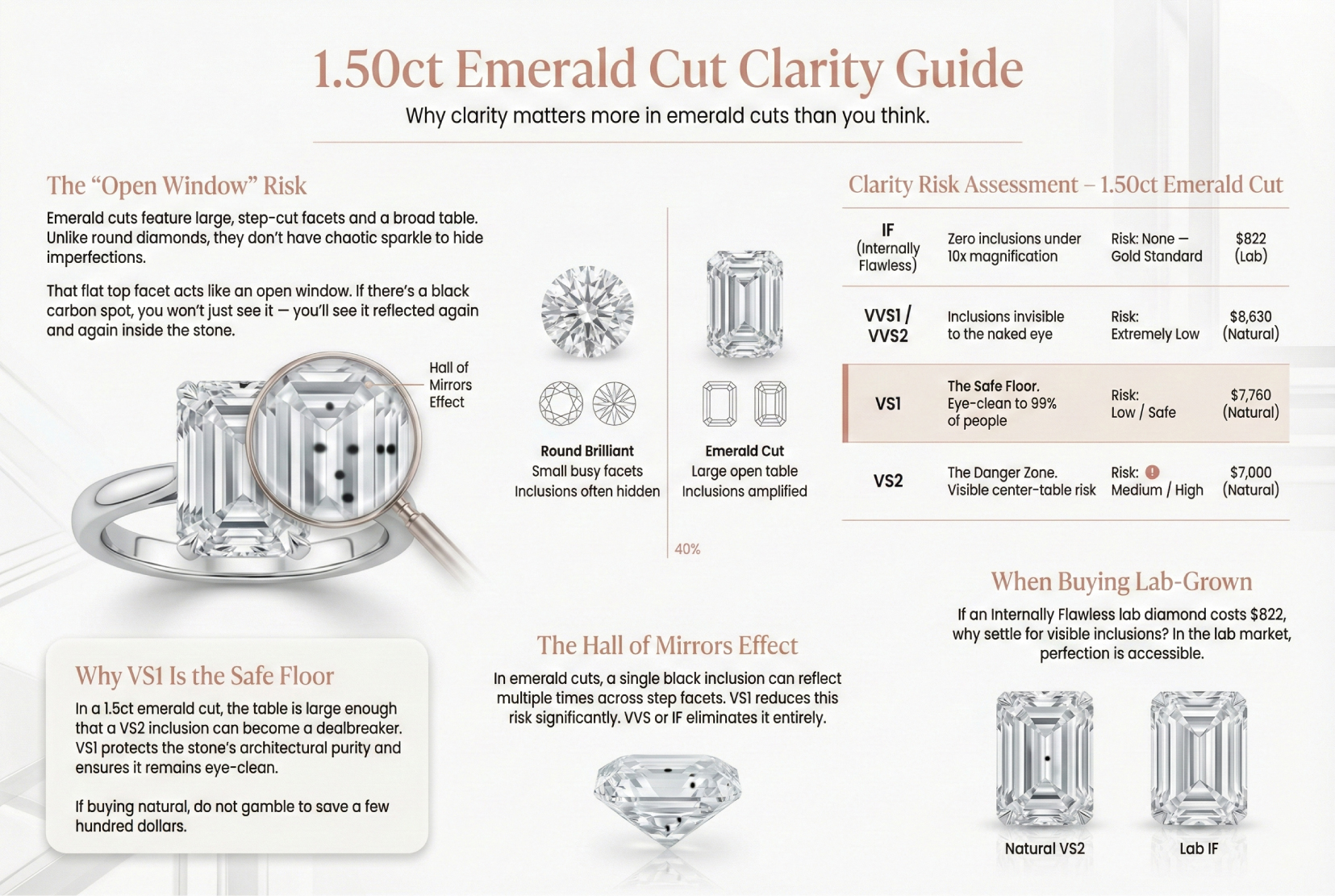
In a round brilliant diamond, you can often drop to an SI1 grade and still have an “eye-clean” stone because the facets are small and busy. However, the emerald cut has a large, flat top facet called the table.
This acts as an “open window.” If there is a black carbon spot in the center of a VS2 stone, you won’t just see it; you will see it reflected multiple times in the internal “hall of mirrors” facets.
Clarity Risk Assessment for 1.50ct Emerald Cuts
| Clarity Grade | Visual Expectation | Mehedi’s Risk Rating | Typical 2026 Price (Stone Only) |
|---|---|---|---|
| Internally Flawless (IF) | Zero inclusions. 100% pure under 10x magnification. The “Hall of Mirrors” is perfect. | None (Gold Standard) | $822 (Lab) |
| VVS1 / VVS2 | Inclusions are invisible to the naked eye; nearly impossible for a pro to find under a loupe. | Extremely Low | $8,630 (Natural) |
| VS1 | The “Safe Floor.” Eye-clean to 99% of people. No inclusions in the center table. | Low / Safe | $7,760 (Natural) |
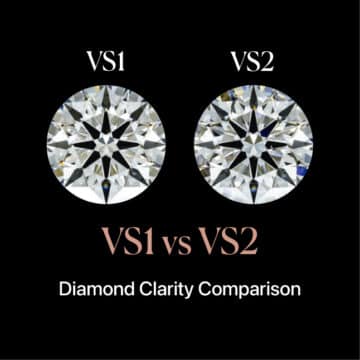
| VS2 | The Danger Zone. Risky. High chance of a visible black speck in the center window. | Medium / High | $7,000 (Natural) |
| The 2026 Clarity Verdict: In Round Diamonds, VS2 is safe. In Emerald Cuts, VS2 is a gamble. Don’t risk a visible black spot just to save $700. Either pay for Natural VS1 or switch to Lab-Grown IF for total perfection. | |||
Mehedi’s Strategy: Why VS1 is the Natural Minimum
“If you are buying a natural diamond, do not gamble on a VS2 emerald cut just to save a few hundred dollars. In a 1.5-carat stone, the table is large enough that a VS2 inclusion can be a dealbreaker. I always set VS1 as the safe floor for my clients. It ensures the stone remains eye-clean and maintains that architectural purity.
However, if you are buying lab-grown, the rules change. Since the Lab D-IF is only $822, you are getting an ‘Internally Flawless’ stone for less than a flawed natural stone. In the lab market, why settle for anything less than perfection?”
The “Hall of Mirrors” Effect
In an emerald cut, inclusions are often magnified. If a stone is graded vs2 clarity diamond, a single black dot near the corner might be reflected across the entire stone, making it look like it has five inclusions.
Moving up to vs1 clarity diamond significantly reduces this risk, while vvs1 diamond meaning cost or IF status eliminates it entirely.
Still confused about which grade to choose? Check out my full deep dive: What is the Best Diamond Clarity?
Cut Quality: The L/W Ratio Trick
When buying a 1.5 carat emerald cut diamond ring, the “Cut” grade on a lab report is often misleading. Unlike round diamonds, GIA does not give a formal “Cut” grade (like Excellent or Very Good) to emerald cuts.
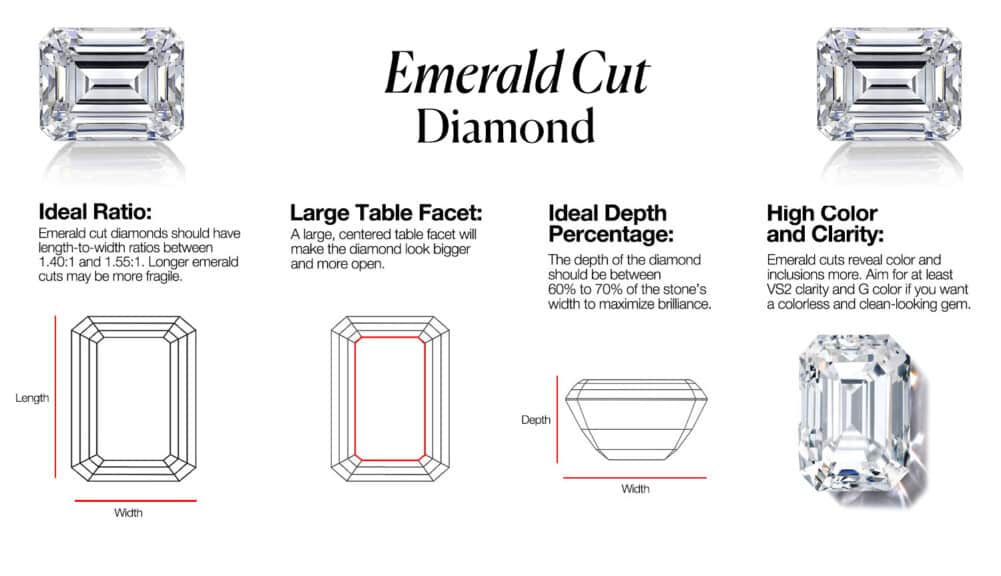
Instead, you have to look at the Length-to-Width (L/W) Ratio to determine if the stone has that classic, elongated elegance or if it looks like a “stubby” square.
Avoiding the “Stubby” Rectangle
An emerald cut diamond can look completely different depending on its proportions. If the stone is too wide, it loses its sophisticated vintage appeal; if it’s too skinny, it can look fragile and unbalanced in the Petite Pavé setting.
The Emerald Cut Ratio Guide
| L/W Ratio Range | Visual Description | The “Mehedi” Verdict |
|---|---|---|
| 1.00 – 1.05 | Square / Asscher-like | Avoid. Unless you specifically want an Asscher cut diamond, which is cut differently. |
| 1.30 – 1.34 | “Chubby” Rectangle | Too Wide. This ratio lacks elegance and can make the stone look smaller than its actual carat weight. |
| 1.35 – 1.45 | The Ideal Sweet Spot | The Goal. This provides the most elegant, elongated finger coverage. Aim for 1.40 for perfection. |
| 1.50 – 1.60 | “Skinny” Rectangle | Caution. Very long. Can look thin and may show more “windowing” (light leakage) in the center. |
| The 2026 Shape Verdict: Do not buy blind. Always check the L/W Ratio on the certificate. A 1.30 ratio stone might be cheaper per carat, but it will look like a “fat” square on your finger. Stick to the 1.40 – 1.45 range for that classic emerald look. | ||
Mehedi’s Visual Check: The “Hall of Mirrors” Test
“Don’t just buy based on the numbers. You must watch the 360-degree video. As the stone rotates, look at the ‘steps’—the rectangular facets. They should turn on and off (light up and go dark) evenly.
If the center of the stone stays dark or looks like a clear window that you can see straight through, it is a bad cut. You want the stone to have a ‘dynamic’ flash, not a dead center.”
The Depth & Table Factor
In addition to the ratio, keep your eyes on the Depth % (60-70%) and Table % (60-70%). If the stone is too deep, it hides its weight in the bottom (the “pavilion”), making your 1.5-carat diamond look like a 1.2-carat stone from the top.
FAQ: The Unfiltered Emerald Cut Buyer’s Guide
Choosing a 1.5 carat emerald cut diamond ring requires a different set of rules than a round diamond. Because the “step-cut” is so transparent, you cannot afford to make a mistake on clarity or cut ratio. Here are the direct answers to the most common questions from my 2026 market research.
What is the average price difference between a 1.5 carat natural emerald cut and a lab grown one in 2026?+
The gap is staggering. A high-quality Natural G-VS1 build costs roughly $8,917, whereas a technically superior Lab-Grown D-IF build is only $1,979. You are effectively paying a 78% premium for the natural origin. See our full breakdown of lab grown diamond prices.
Why can I buy a 1.5 carat internally flawless lab emerald diamond for under $900?+
In 2026, lab-grown production efficiency has “hit the floor” for high-clarity crystals. Because it is now technically easy to grow “Internally Flawless” diamonds, the rarity tax has vanished. This leads to prices like $822 for a 1.5ct D-IF stone on sites like Ritani. Check if these deals are safe in our Ritani review.
Does a 1.5 carat emerald cut diamond look smaller than a round or oval of the same weight?+
Yes, visually. Emerald cuts carry more of their weight in their “depth” rather than their “spread.” A 1.5ct emerald cut will have a smaller “face-up” area than a 1.5ct oval, but its elongated shape offers a unique elegance that can slim the finger. Compare dimensions in our diamond carat size chart.
Can I see inclusions in a 1.5 carat VS2 clarity emerald cut diamond with the naked eye?+
There is a high risk. Because emerald cuts have a large, open “table” (top facet), inclusions aren’t hidden by sparkle like they are in brilliant cuts. In a 1.5ct stone, a VS2 inclusion is often visible. I recommend VS1 as the absolute floor. Learn more in our VS2 clarity guide.
What is the ideal length-to-width ratio for a 1.5 carat emerald cut diamond?+
For the most elegant, rectangular look, target a length-to-width ratio between 1.35 and 1.45. Anything below 1.30 looks “stubby” or square, while anything above 1.50 can appear too thin. Find the perfect proportions in our emerald cut diamond guide.
Is it safe to put a 1.5 carat emerald cut diamond in a thin petite pavé setting?+
Yes, but with caution. Settings like the James Allen Petite Pavé are 1.6mm wide, which is very delicate. While it makes the diamond look huge, you should avoid heavy lifting or sports to prevent bending. Explore durable options in engagement ring settings under $1500.
Do I need D-Color for a 1.5 carat emerald cut or will G-Color still look white?+
G-Color is sufficient. When set in 18K White Gold, a G-color emerald cut looks icy white to the naked eye. You do not need to pay the $9,000+ premium for a natural D-color stone unless you are a collector. See the visual difference in our G color diamond guide.
How can I tell if a 1.5 carat emerald cut diamond has “windowing”?+
You must watch the 360-degree video. “Windowing” occurs when you can see straight through the center of the stone like glass. If the internal “steps” don’t flash light as the stone rotates, it is a bad cut. Learn to spot these defects in our diamond cut chart.
Is a GIA certificate necessary for a natural emerald cut or is IGI acceptable?+
For natural diamonds, GIA is the gold standard and highly recommended for resale value. For lab-grown diamonds, IGI is the industry standard and perfectly acceptable as they provide consistent grading. Read more in what does GIA certified mean?.
Why do emerald cut diamonds generally cost less per carat than round brilliant cuts?+
Round diamonds have the highest “rough” waste during the cutting process. Emerald cuts follow the natural shape of the rough diamond crystal more closely, leading to better yield and a lower price per carat. Compare pricing in our round brilliant cut diamond guide.
Conclusion: Mehedi’s “Smart Build” Verdict
We have run the numbers, and the financial reality of the 2026 market is undeniable. You are looking at a $7,000 price gap between two rings where the cheaper option is technically cleaner (Internally Flawless).
Buying an Emerald cut is all about “Buying the Black,” meaning you want to see distinct, contrasting steps in the center, not a washed-out glass window. Here is exactly how I would allocate my budget in February 2026:
The “Deal of a Lifetime” (Mehedi’s Pick):
- The Build: James Allen Petite Pavé Setting + Ritani IGI 1.50ct D-IF Stone.
- Total Price: $1,979.
- Why: It defies traditional market logic. You are getting an Internally Flawless stone—the holy grail for step cuts—and a solid 18k gold setting for under $2,000. It is mathematically the best value in the entire jewelry industry right now.
The “Natural Heirloom” (Prestige Pick):
- The Build: James Allen Petite Pavé Setting + James Allen GIA 1.50ct G-VS1 Stone.
- Total Price: ~$8,917.
- Why: If it must be a natural diamond, this is the smartest entry point. G-Color keeps it white enough for platinum/white gold, and VS1 ensures you won’t see any heartbreaking inclusions in the center of the stone. Paying any more than this is usually unnecessary.
Emerald cuts are tricky. Before you buy, you must rotate the diamond 360-degrees in the video. If you can see straight through the middle like a piece of window glass, that is called “windowing,” and you should reject the stone immediately.
Check the fair price for your specific carat weight using our Diamond Rate Calculator before checking out.